FIFA World Cup 1938: France Hosted the Battle, Italy Defended the Crown
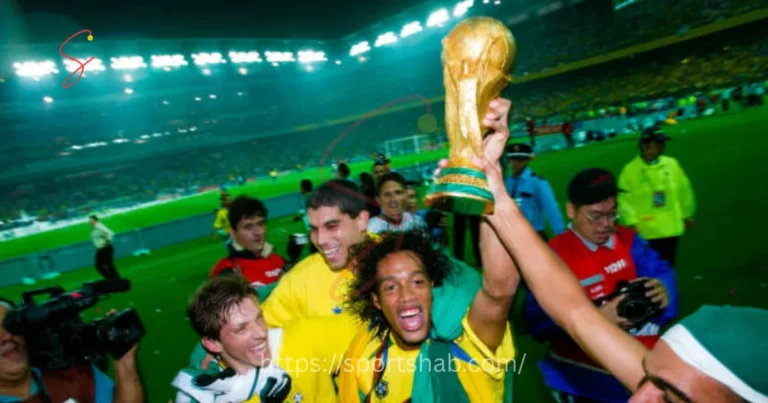
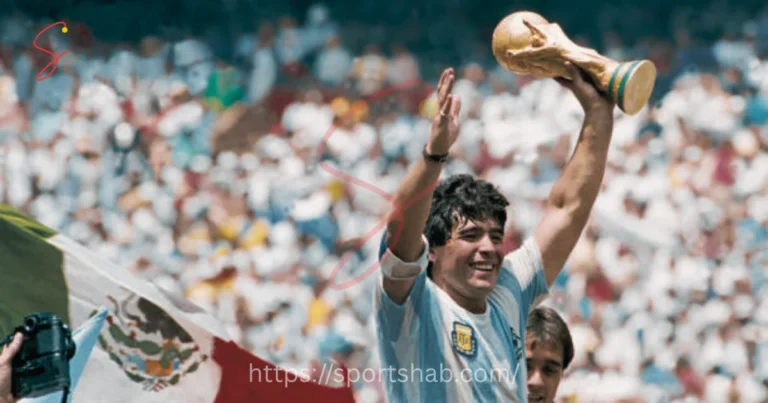
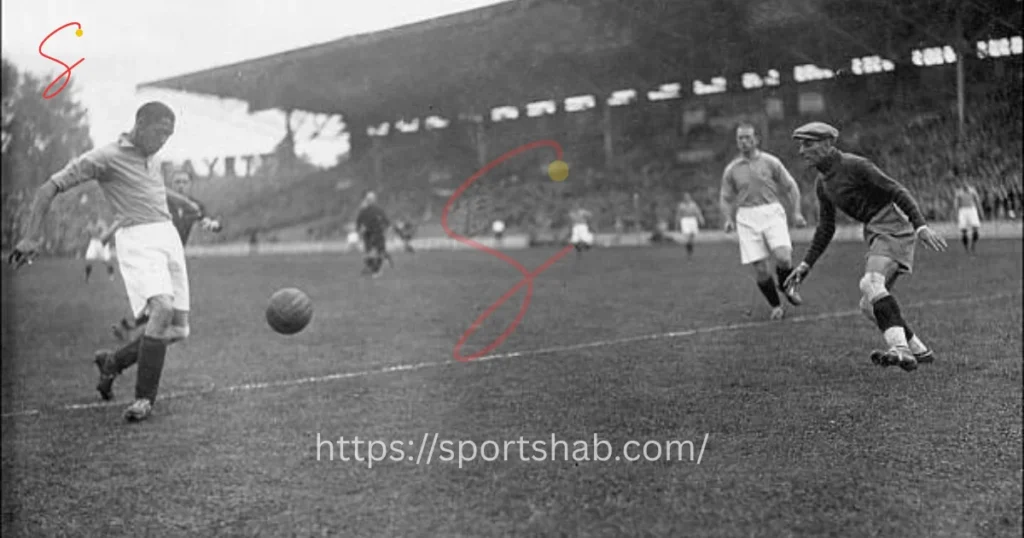
Caption: The whistle blew, the champions answered, and Europe witnessed football at its fiercest. The FIFA World Cup 1938 wasn’t just about defending a title—it was about proving greatness under relentless pressure.
FIFA World Cup 1938
By the summer of 1938, football had evolved from an ambitious international competition into the world’s most prestigious sporting event. Only eight years had passed since the inaugural FIFA World Cup in Uruguay, but the tournament had already captured the imagination of millions.
The third FIFA World Cup arrived in France during one of Europe’s most uncertain political periods. Tensions across the continent were rising, yet once the referee signaled kickoff, nations set aside everything except the pursuit of football glory. Every tackle mattered, every goal sparked celebration, and every victory carried enormous pride.
Unlike modern World Cups filled with group stages and second chances, the 1938 edition followed a direct knockout format. One defeat meant the journey was over. Every team stepped onto the pitch knowing that ninety minutes could determine their fate.
Italy entered France carrying the weight of expectation as defending champions. Every opponent wanted to knock them off their throne, but the Azzurri embraced the challenge instead of fearing it. Their disciplined football, tactical intelligence, and winning mentality would once again define the tournament.
By the final whistle in Paris, Italy had achieved something no nation had managed before—successfully defending the FIFA World Cup trophy.
FIFA World Cup 1938 Winner
Italy became the champions of the FIFA World Cup 1938 after defeating Hungary 4–2 in the final on 19 June 1938 at the Stade Olympique de Colombes in Paris.
Hungary entered the final with one of Europe’s most dangerous attacking units and looked capable of ending Italy’s reign. However, the defending champions wasted no time asserting themselves.
Gino Colaussi opened the scoring before Hungary quickly responded through Pál Titkos. Rather than losing momentum, Italy struck again with Silvio Piola, whose intelligent movement constantly troubled the Hungarian defense.
The second half showcased the confidence of a true champion. Colaussi scored once more before Piola added his second goal of the afternoon, sealing a deserved 4–2 victory.
When the final whistle echoed across Paris, Italy celebrated a historic achievement—becoming the first nation ever to win back-to-back FIFA World Cup titles.
FIFA World Cup 1938 Organized By
The FIFA World Cup 1938 was organized by the Fédération Internationale de Football Association (FIFA).
After the success of the tournaments in Uruguay (1930) and Italy (1934), FIFA continued expanding football’s global reach. Qualification tournaments were held across different continents, ensuring only the strongest national teams reached France.
Although political tensions affected participation, FIFA successfully staged another memorable championship, proving that football had become an international phenomenon.
FIFA World Cup 1938 Host Nation
France earned the right to host the 1938 FIFA World Cup, becoming the second European nation to organize the competition.
Matches were played in several major French cities, including:
- Paris
- Marseille
- Bordeaux
- Strasbourg
- Toulouse
- Reims
- Le Havre
- Lille
- Antibes
French supporters welcomed teams from around the world, creating an electric atmosphere that reflected football’s rapidly growing popularity.
Many stadiums were packed with passionate crowds eager to witness international stars compete for football’s biggest prize.
FIFA World Cup 1938 Participants
Fifteen teams ultimately competed in the tournament.
They were:
Italy, Hungary, Brazil, Sweden, Switzerland, Czechoslovakia, France, Germany, Belgium, Netherlands, Romania, Norway, Poland, Cuba, and the Dutch East Indies.
Originally, sixteen teams had qualified. However, Austria withdrew after the country’s annexation by Germany earlier that year. Since the withdrawal happened after qualification, no replacement nation was invited, leaving the tournament with fifteen participants.
Brazil entered the competition with growing confidence and exciting attacking football.
Hungary possessed one of Europe’s strongest squads.
Sweden benefited from Austria’s withdrawal and advanced directly to the quarter-finals.
France hoped home support would inspire a memorable campaign, while defending champions Italy carried the pressure of protecting their title.
The tournament also welcomed the Dutch East Indies, making them the first Asian team ever to appear in a FIFA World Cup finals tournament.
FIFA World Cup 1938 Tournament Format
The FIFA World Cup 1938 continued using the knockout format introduced in 1934.
There were no group stages and no league-style final pool.
Every qualified team entered directly into the Round of 16.
If a match ended level after extra time, it was replayed because penalty shootouts had not yet been invented.
The competition consisted of:
- Round of 16
- Quarter-finals
- Semi-finals
- Third-place playoff
- Final
The format created immediate excitement because every game carried enormous consequences.
One poor performance ended a nation’s dream instantly.
FIFA World Cup 1938 Group Stage Overview
Although many fans search for a “1938 World Cup Group Stage,” there wasn’t one.
The tournament began directly with knockout matches.
The opening round immediately delivered drama.
Italy defeated Norway 2–1 after extra time in a hard-fought contest that tested the defending champions from the very beginning.
Brazil overcame Poland in one of the greatest World Cup matches ever played, winning 6–5 after extra time. The thrilling encounter featured spectacular attacking football, dramatic momentum swings, and outstanding individual performances that still rank among the tournament’s classics.
Hungary comfortably defeated the Dutch East Indies 6–0, announcing themselves as serious title contenders.
Switzerland and Germany couldn’t be separated in their first meeting, drawing 1–1 after extra time. The replay produced one of the biggest surprises of the tournament as Switzerland stunned Germany with a remarkable 4–2 victory, eliminating one of Europe’s strongest teams.
France thrilled the home supporters by defeating Belgium 3–1.
Cuba created one of the greatest underdog stories in World Cup history. After drawing 3–3 with Romania, the Caribbean side won the replay 2–1 to reach the quarter-finals—their finest achievement in international football.
Czechoslovakia edged the Netherlands after extra time, while Sweden progressed without playing because Austria had withdrawn before the tournament began.
By the end of the opening round, the competition had already produced everything football fans love—unexpected upsets, dramatic extra-time victories, thrilling goal-fests, and unforgettable moments.
The quarter-finals only intensified the excitement.
Italy survived an entertaining battle against hosts France to win 3–1 and silence the passionate home crowd.
Hungary continued their impressive form with a commanding victory over Switzerland, while Brazil eliminated Czechoslovakia after a replay in another fiercely contested tie.
Sweden comfortably defeated Cuba to complete the semi-final lineup.
As four teams remained—Italy, Hungary, Brazil, and Sweden—the race for the World Cup reached its decisive stage.
Every nation sensed history was within touching distance.
For Italy, another championship would cement their place among football’s greatest teams.
For Brazil and Hungary, it was an opportunity to announce themselves as football’s next superpower.
And for Sweden, the dream of reaching a first World Cup final remained alive.
The biggest matches of the tournament were yet to come.
FIFA World Cup 1938 Semi-Finals: Four Teams, One Trophy, Endless Determination
The 1938 FIFA World Cup had reached its defining stage. After weeks of intense knockout football, only four teams remained in the race for international glory—Italy, Brazil, Hungary, and Sweden. Every nation had overcome difficult opponents, but now there was no room for hesitation. One more victory would earn a place in the World Cup Final, while defeat would end a nation’s dream.
The semi-finals highlighted everything that made the 1938 tournament unforgettable. Tactical discipline met attacking flair, experienced champions faced ambitious challengers, and football fans witnessed matches that shaped the future of the game.
Italy vs Brazil – The Champions Hold Their Nerve
Italy entered the semi-final determined to prove that their 1934 triumph had been no coincidence. Brazil, meanwhile, had become one of the tournament’s biggest attractions thanks to its exciting attacking football and fearless approach.
The match carried enormous expectations. Supporters anticipated an open contest between two technically gifted teams, but Italy relied on experience rather than emotion.
The defending champions controlled possession, remained organized in defense, and punished Brazil whenever opportunities appeared. Gino Colaussi opened the scoring before Giuseppe Meazza calmly converted a penalty to extend Italy’s advantage.
Brazil responded through Romeu late in the match, creating a tense finish, but Italy protected their lead with remarkable composure.
The final score finished Italy 2–1 Brazil, sending the defending champions into another World Cup Final.
Italy had once again demonstrated that championship football is often won through discipline, patience, and clinical finishing rather than spectacular play alone.
Hungary vs Sweden – A Masterclass in Attack
The second semi-final produced one of the tournament’s finest attacking performances.
Hungary had impressed throughout the competition with quick passing, intelligent movement, and ruthless finishing. Sweden, boosted by Austria’s withdrawal earlier in the tournament, hoped to continue their dream run.
Instead, Hungary produced a breathtaking display.
Their attackers repeatedly found space behind Sweden’s defense, combining pace with exceptional finishing. György Sárosi orchestrated attacks brilliantly, while Gyula Zsengellér and teammates constantly stretched the Swedish back line.
Sweden fought bravely and managed to score, but Hungary’s attacking quality proved overwhelming.
The match ended Hungary 5–1 Sweden, securing Hungary’s first appearance in a FIFA World Cup Final.
It was a statement victory that warned Italy the final would be anything but easy.
Third-Place Playoff
After suffering disappointment in the semi-finals, Brazil and Sweden returned to compete for third place.
Rather than treating the match as a consolation prize, Brazil approached it with determination and attacking intent.
Leônidas da Silva, one of the tournament’s brightest stars, once again demonstrated why defenders struggled to contain him. Brazil played with confidence, creativity, and flair, eventually defeating Sweden 4–2.
The victory earned Brazil the bronze medal and confirmed the country’s growing status as one of world football’s rising powers.
Although they narrowly missed the final, Brazil left France with enormous respect from football supporters around the globe.
FIFA World Cup 1938 Final
Italy vs Hungary
On 19 June 1938, the Stade Olympique de Colombes in Paris hosted the biggest match in international football.
Italy stood on the verge of making history by defending the World Cup for the first time.
Hungary aimed to complete an extraordinary tournament by defeating the reigning champions.
The final exploded into life almost immediately.
Italy attacked with confidence and purpose, refusing to allow Hungary time to settle. Gino Colaussi opened the scoring before Hungary responded quickly through Pál Titkos, reminding everyone that the contest was far from over.
Instead of losing momentum, Italy shifted into another gear.
Silvio Piola restored Italy’s advantage with an excellent finish, while disciplined defending frustrated Hungary’s talented forwards.
During the second half, Colaussi scored his second goal before Piola completed his brace to place the match beyond doubt.
Hungary managed another goal through György Sárosi, but the comeback never truly materialized.
Italy celebrated a convincing 4–2 victory, becoming the first nation ever to retain the FIFA World Cup.
The triumph reflected more than technical quality.
It showcased tactical discipline, mental resilience, and the ability to deliver under the immense pressure of a World Cup Final.
Even today, Italy’s back-to-back titles in 1934 and 1938 remain among the greatest achievements in football history.
FIFA World Cup 1938 Interesting Facts
The 1938 FIFA World Cup introduced several remarkable moments that continue to fascinate football historians.
It became the final FIFA World Cup before World War II interrupted international football for twelve years. The next tournament would not be played until 1950.
Italy became the first country ever to defend the World Cup successfully, setting a record that stood for decades.
The tournament featured the first appearance of an Asian representative, the Dutch East Indies, making Asian football part of World Cup history.
Brazil’s thrilling 6–5 victory over Poland after extra time remains one of the highest-scoring matches ever played in FIFA World Cup history.
Cuba produced one of the greatest underdog stories by reaching the quarter-finals after defeating Romania in a replay.
Austria qualified but withdrew after the country’s annexation by Germany. Because the withdrawal happened after qualification, Sweden advanced directly to the quarter-finals without playing a first-round match.
Tournament Innovations and Firsts
Although the basic knockout format remained unchanged from 1934, the FIFA World Cup 1938 still introduced several important milestones.
It was the first World Cup hosted by France, expanding the tournament’s popularity across Western Europe.
The competition welcomed the first Asian nation ever to participate in the finals, increasing the event’s global representation.
Improved radio broadcasting enabled millions of supporters to follow matches despite being unable to attend stadiums, helping football become an even bigger international spectacle.
The tournament also highlighted the growing importance of tactical systems. Teams increasingly balanced attacking creativity with organized defending, laying the foundations for many modern football strategies.
Another historical milestone was Italy’s successful title defense—a feat that confirmed consistency could be just as impressive as winning a championship for the first time.
FIFA World Cup 1938 Statistics
The tournament produced 84 goals in 18 matches, averaging nearly 4.7 goals per game, making it one of the highest-scoring World Cups in history.
Brazil’s Leônidas da Silva finished as the tournament’s leading scorer with seven goals despite missing the semi-final against Italy.
His pace, dribbling ability, and instinctive finishing earned him worldwide recognition and established him as one of football’s earliest global superstars.
Italy’s Silvio Piola and Gino Colaussi delivered crucial goals throughout the knockout rounds, while Hungary’s György Sárosi and Gyula Zsengellér consistently troubled opposing defenses.
Goalkeepers also played decisive roles during the tournament.
Italy’s Aldo Olivieri produced several outstanding performances during the knockout rounds, while Hungary’s Antal Szabó and Brazil’s Walter demonstrated exceptional shot-stopping ability under pressure.
Italy recorded the most clean sheets during the tournament with two, reflecting the disciplined defensive structure that helped secure consecutive World Cup titles.
Football fans often search for the Golden Ball, Golden Boot, and Golden Glove winners for the 1938 World Cup.
However, these awards did not officially exist during the tournament.
Historically accurate recognition is as follows:
- Top Scorer: Leônidas da Silva (Brazil) – 7 goals.
- Golden Ball: Not officially awarded.
- Golden Boot: Not officially awarded.
- Golden Glove: Not officially awarded.
Modern FIFA individual awards were introduced decades later, so assigning them retrospectively would be historically incorrect.
FIFA World Cup 1938 Squads
Italy’s championship-winning squad featured legendary footballers including Aldo Olivieri, Alfredo Foni, Pietro Rava, Michele Andreolo, Giuseppe Meazza, Gino Colaussi, Silvio Piola, Giovanni Ferrari, Pietro Serantoni, Ugo Locatelli, and Mario Bertoni. Their combination of experience and tactical intelligence made Italy the strongest team in the tournament.
Hungary’s outstanding squad included György Sárosi, Gyula Zsengellér, Pál Titkos, Ferenc Sas, Vilmos Korányi, Antal Szabó, and László Sternberg. Their exciting attacking football carried them all the way to the final.
Brazil relied on exceptional talents such as Leônidas da Silva, Domingos da Guia, Romeu, Tim, Batatais, and Perácio. Their entertaining style captured the imagination of football fans and laid the foundation for Brazil’s future World Cup success.
Sweden’s squad featured Erik Nilsson, Sven Jacobsson, Gustav Wetterström, Harry Andersson, and Arne Nyberg, while France, Switzerland, Czechoslovakia, Cuba, Romania, Belgium, the Netherlands, Norway, Poland, Germany, and the Dutch East Indies each contributed players whose performances enriched one of the most memorable tournaments before the Second World War.
The 1938 World Cup proved that football had become a truly international sport. Every participating nation added its own style, character, and unforgettable moments, making the tournament an enduring chapter in FIFA history.
Conclusion
The FIFA World Cup 1938 was much more than the third edition of football’s biggest tournament—it was a defining moment that proved the World Cup had become the pinnacle of international football. Despite political uncertainty across Europe, the competition delivered unforgettable matches, remarkable individual performances, and a champion that etched its name permanently into sporting history.
Italy arrived in France with enormous pressure on its shoulders. Defending a World Cup title is one of football’s toughest challenges, yet the Azzurri embraced every obstacle with confidence and composure. From surviving Norway in extra time to defeating Brazil in the semi-final and overcoming Hungary in the championship match, Italy displayed the qualities that define great teams—discipline, resilience, tactical intelligence, and clinical finishing.
The tournament also showcased football’s growing global reach. Brazil thrilled supporters with its attacking brilliance, Hungary played some of the most entertaining football of the competition, Cuba produced one of the greatest underdog stories in World Cup history, and the Dutch East Indies became the first Asian nation to compete at the FIFA World Cup.
Perhaps the greatest significance of the 1938 tournament lies in its place in history. It became the last FIFA World Cup before the outbreak of the Second World War, forcing the competition into a 12-year pause. When the tournament returned in 1950, football—and the world—had changed forever.
Looking back today, the FIFA World Cup 1938 remains a landmark competition that blended skill, determination, and unforgettable drama. It confirmed that winning one World Cup is extraordinary, but defending it is the mark of a truly legendary team.