UEFA and Concacaf Discuss Joint Nations League in Latest Challenge to FIFA
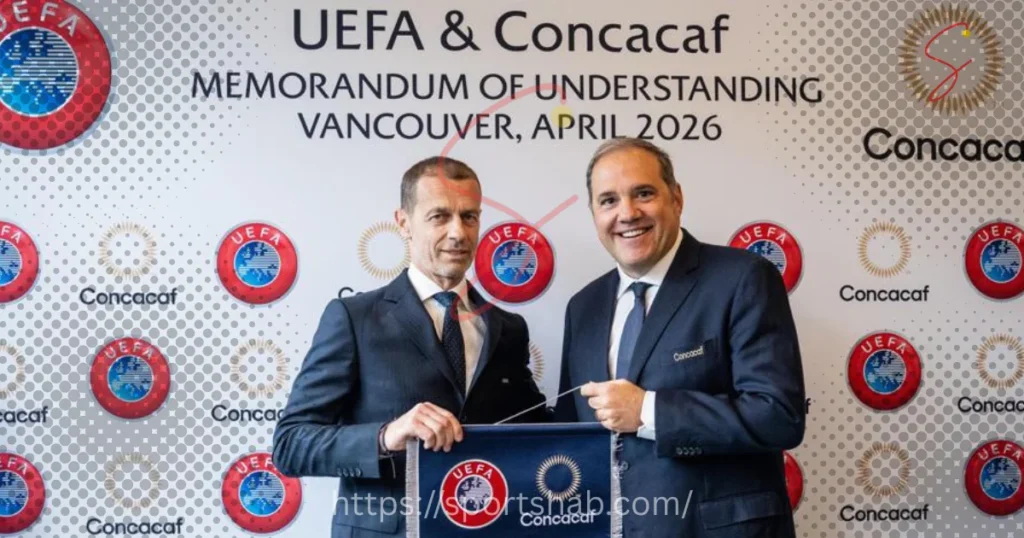
UEFA and Concacaf have started discussions over a potential joint Nations League, in what could become one of the biggest changes to international football in years.
The proposed competition could bring together all 96 national teams from UEFA and Concacaf, creating regular competitive matches between European and North American teams. The idea is still at an early stage, but reports suggest it could begin after the 2028 European Championship.
The proposal also comes at a time when UEFA, Concacaf and other football authorities are increasingly challenging FIFA leadership over governance and commercial issues.
How Would the Joint Nations League Work?
The proposed tournament would reportedly follow a structure similar to the existing Nations League.
Instead of putting all teams into one giant competition, the 96 nations could be divided into different levels. Teams would then compete against opponents of a similar standard, with promotion and relegation potentially connecting the different divisions.
The league phase could take place during existing international windows, while knockout matches and finals would follow later in the season.
This approach could allow the competition to create more meaningful international matches without adding a completely new block of dates to the football calendar.
Europe Could Face USA, Mexico and Canada More Often
One of the biggest attractions of the proposal would be the possibility of regular competitive matches between Europe’s strongest teams and Concacaf’s leading nations.
Imagine matches such as:
- Spain vs USA
- France vs Mexico
- Germany vs Canada
- England vs USA
- Portugal vs Mexico
These games currently happen mainly in friendlies or major international tournaments.
A joint Nations League could turn some of these matchups into competitive fixtures.
Why Is This a Challenge to FIFA?
The proposal comes at a particularly sensitive time for world football.
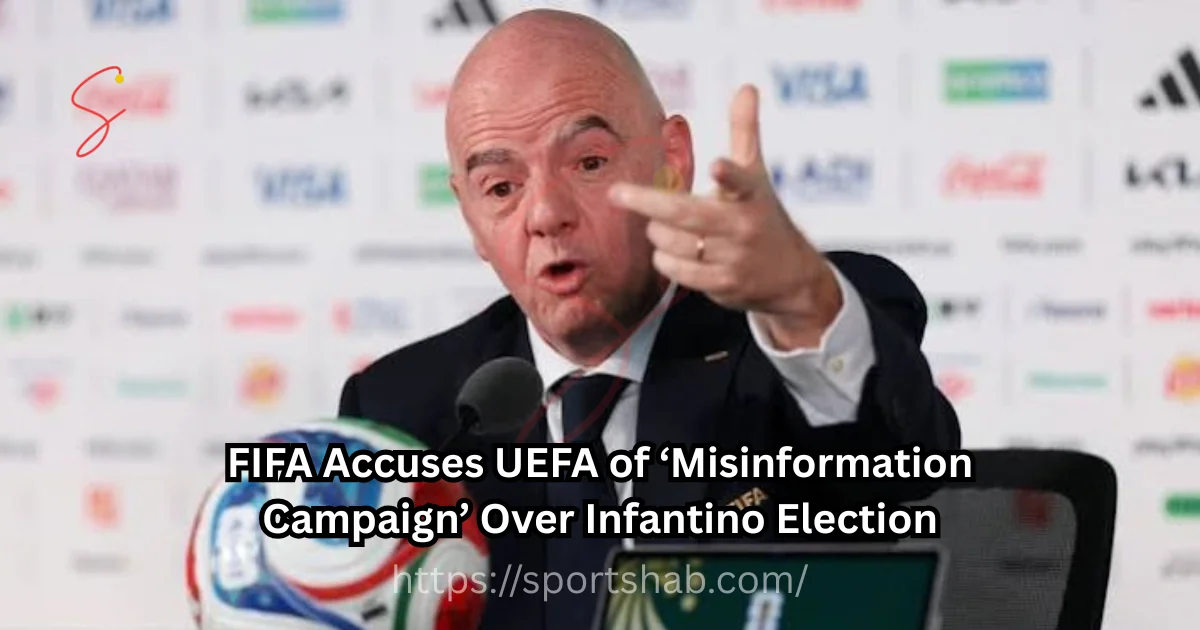
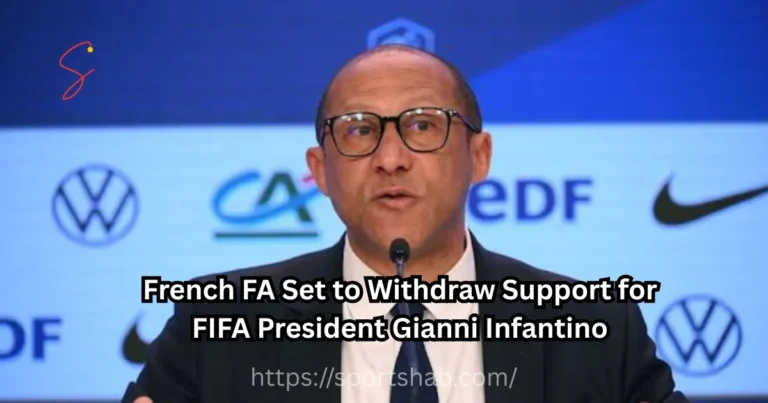
UEFA and Concacaf are among the confederations that have raised concerns about FIFA president Gianni Infantino’s leadership and recent commercial and governance decisions. Reuters reported that UEFA, Concacaf and the Asian Football Confederation have been involved in discussions surrounding possible action against Infantino.
That does not mean the proposed Nations League is designed to replace FIFA.
Instead, it could strengthen cooperation between the two confederations and give them greater influence over international football.
Could the Tournament Start in 2028?
Reports indicate that 2028 is being considered as a possible starting point, following the next European Championship.
However, fans should not treat 2028 as confirmed.
The competition is still being discussed, and the final format, schedule and participation arrangements would need to be agreed before anything becomes official.
UEFA has separately approved changes to its own Nations League structure from 2028/29, moving to three leagues of 18 teams. That existing reform means any joint competition would need to be carefully coordinated with UEFA’s new calendar.
What Would Happen to the Current Nations Leagues?
This is one of the biggest unanswered questions.
UEFA already has its own Nations League, while Concacaf operates a separate Nations League competition. A joint tournament would therefore require a major restructuring of the existing systems.
The exact format has not been confirmed.
One possibility would be to combine the competitions into a broader international structure, but that remains speculation until UEFA and Concacaf release an official format.
Could AFC Join Later?
Another interesting possibility is the involvement of the Asian Football Confederation (AFC).
Reports indicate that AFC has shown interest in the idea of a wider global Nations League. If that eventually happens, the competition could expand beyond Europe and Concacaf and become a much bigger international tournament.
That could potentially create regular competitive matches between teams from Europe, Asia and the Americas.
But again, AFC joining is not currently confirmed.
Why Would Smaller Nations Benefit?
A major advantage could be financial and sporting opportunities for smaller national teams.
A multi-tier competition could give lower-ranked nations more meaningful matches against teams around their own level while promotion could give them a pathway towards stronger opposition.
The proposed competition could also generate additional revenue that would be shared between participating federations.
For smaller nations, regular competitive matches can be much more valuable than friendlies.
What Does FIFA Think?
There has not been a final FIFA response to a completed joint Nations League because the UEFA-Concacaf proposal remains under discussion.
The wider political context, however, is important.
FIFA has faced increasing criticism over governance and commercial decisions, while UEFA and other confederations have become more vocal about how international football should be managed.
The joint Nations League could therefore become part of a much larger debate about who controls the future of international football.
Will UEFA and Concacaf Actually Create It?
That remains the biggest question.
At this stage, the project should be described as talks or a proposal, not a confirmed tournament.
There is no official final schedule, confirmed groups or confirmed start date.
If negotiations progress, more details about the format, participating teams and calendar could emerge.
Final Verdict
The proposed UEFA Concacaf Joint Nations League could become a major new competition in international football.
A 96-team tournament would give fans the chance to watch European giants regularly face leading Concacaf nations, while also creating new commercial and sporting opportunities for smaller teams.
But the proposal is still in its early stages.
If it eventually becomes reality from 2028, it could do more than create exciting matches. It could also strengthen UEFA and Concacaf’s position at a time when FIFA is facing increasing pressure over its leadership and governance.
For now, the key word is “discussions.” No final agreement has yet been announced.