USA Cricketer Banned for Eight Years by ICC Over Anti-Corruption Violations
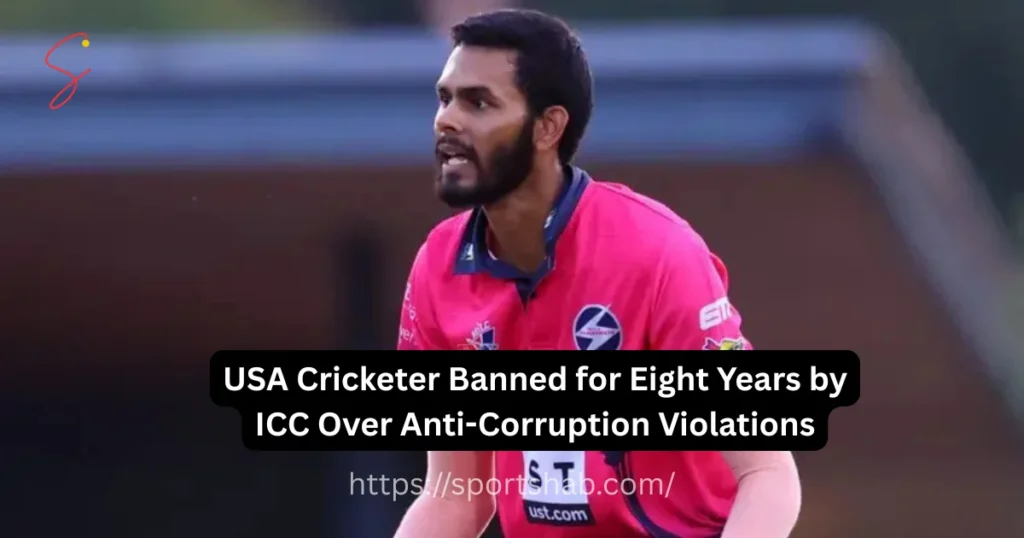
The cricket world was shocked after a USA cricketer banned case emerged from an ICC anti-corruption investigation. The International Cricket Council (ICC) announced that USA international cricketer Bodugum Akhilesh Reddy has been banned from all forms of cricket for eight years following serious breaches of the ICC Anti-Corruption Code.
The decision follows an extensive investigation into activities connected to the 2025 Abu Dhabi T10 League, one of the most popular franchise cricket tournaments in the world. The ruling has become one of the most significant anti-corruption cases involving an American cricketer in recent years.
Why Was the USA Cricketer Banned?
According to the ICC, the USA player was found guilty of multiple violations of the Anti-Corruption Code. The charges were linked to attempts to engage in corrupt activities during the Abu Dhabi T10 League.
The ICC tribunal determined that the player:
- Attempted to influence cricket-related activities improperly.
- Approached another participant regarding corrupt conduct.
- Failed to cooperate fully with the anti-corruption investigation.
- Deleted or concealed information relevant to the investigation.
These violations were considered serious enough to warrant a lengthy suspension from all cricket activities.
Who Is Bodugum Akhilesh Reddy?
Bodugum Akhilesh Reddy is a USA international cricketer who represented the United States in international cricket competitions. While he was not among the biggest stars of the American cricket setup, he was recognized within USA cricket circles and participated in domestic and international matches.
His eight-year ban now places a major stain on his cricket career and effectively removes him from the sport for the foreseeable future.
ICC Takes Strong Action Against Corruption
The ICC has consistently emphasized that maintaining the integrity of cricket is one of its highest priorities. Over the years, the governing body has increased its efforts to detect and prevent corruption across international and franchise tournaments.
The USA cricketer banned case demonstrates that the ICC is willing to impose severe punishments when players are found guilty of violating anti-corruption regulations.
An eight-year suspension is among the most significant penalties handed down in recent years and sends a strong message to players across the cricketing world.
Connection to the Abu Dhabi T10 League
The investigation centered on activities related to the 2025 Abu Dhabi T10 League.
The tournament attracts international players from various countries and has become a major event in franchise cricket. Due to the fast-paced nature of T10 cricket and the large betting markets surrounding the sport, anti-corruption authorities closely monitor the competition.
The ICC’s Anti-Corruption Unit conducted a detailed investigation before presenting evidence to an independent tribunal, which ultimately found the player guilty.
What the Eight-Year Ban Means
The punishment means that Bodugum Akhilesh Reddy cannot:
- Play professional cricket.
- Participate in ICC-sanctioned events.
- Take part in domestic leagues recognized by cricket authorities.
- Hold official cricket-related positions during the suspension period.
The ban effectively sidelines the player from competitive cricket until the suspension expires.
Impact on USA Cricket
The case is also a setback for USA Cricket, a governing body that has been working hard to grow the sport in the United States.
Cricket has experienced rapid growth in America in recent years, highlighted by the country’s involvement in major international tournaments and the expansion of professional leagues. Incidents involving corruption can damage the sport’s reputation and create challenges for administrators seeking to attract new fans and sponsors.
However, many observers believe the ICC’s swift action reinforces confidence in the sport’s integrity and demonstrates that anti-corruption rules apply equally to players from every cricketing nation.
ICC’s Ongoing Fight Against Match-Fixing
Cricket has faced several corruption scandals throughout its history, leading the ICC to develop strict anti-corruption measures.
Players are required to:
- Report suspicious approaches immediately.
- Cooperate with investigations.
- Avoid involvement with illegal betting activities.
- Protect the integrity of the game at all times.
Failure to comply with these rules can result in lengthy suspensions, financial penalties, and permanent damage to a player’s reputation.
The latest USA cricketer banned case serves as another reminder that cricket authorities continue to monitor the sport closely and take decisive action when rules are broken.
Reactions from the Cricket Community
The announcement quickly generated discussion across the cricket world. Many fans and analysts supported the ICC’s decision, arguing that strong penalties are necessary to protect the credibility of the sport.
Others pointed to the case as evidence that anti-corruption monitoring systems are becoming increasingly effective in identifying and investigating suspicious behavior.
Regardless of opinion, the ruling has become one of the biggest cricket disciplinary stories of the year.