ICC Cricket World Cup History: Complete Winners List 1975-2023
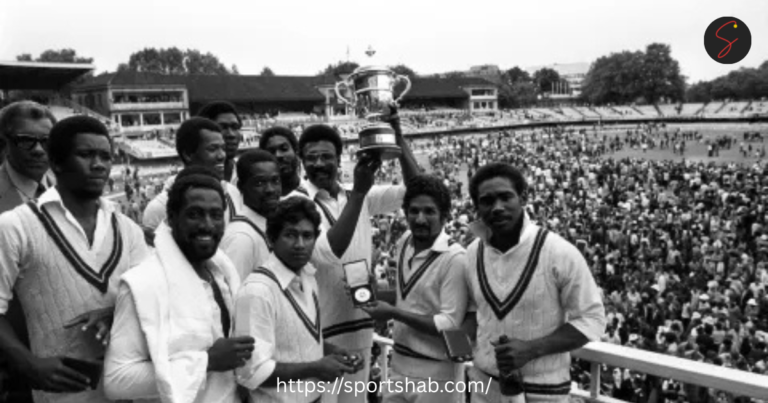
ICC Cricket World Cup History begins in England in 1975, when eight teams contested the first global one-day tournament. The West Indies won that opening final, and the event has grown into cricket’s biggest stage ever since.
This guide brings every edition together in one place, from the first Prudential Cup to the latest final in India. You will find winners, hosts, scores, records, and the finals fans still talk about today.
Whether you support Australia, India, Pakistan, England, or another team, this page helps you compare eras quickly. Use the winners table to jump to any year, then explore records and memorable finals below.
Key Facts
- First edition: 1975, England; first winners: West Indies
- Most titles: Australia, 6 (1987, 1999, 2003, 2007, 2015, 2023)
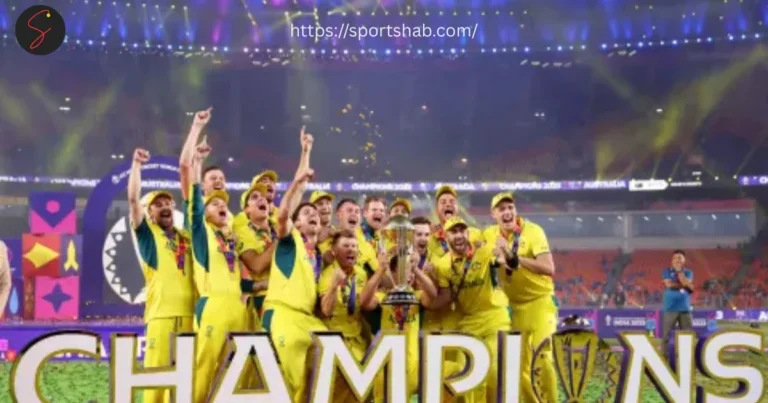
- Latest champions: Australia, 2023, beat India by 6 wickets
- Most runs: Sachin Tendulkar, 2,278 runs, 1992-2011
- Most wickets: Glenn McGrath, 71 wickets, 1996-2007
- Editions covered: 13, from 1975 to 2023
- Format: One-day internationals, 50 overs per side since 1987
Origins of ICC Cricket World Cup History
Cricket’s world championship started slowly, because one-day cricket was still new in the early 1970s. England hosted the first three editions, and Lord’s staged each of those early finals with pride.
The first matches used 60 overs per side, and players wore white clothing with a red ball. Those simple rules now look distant, yet the drama felt modern from the very first ball.
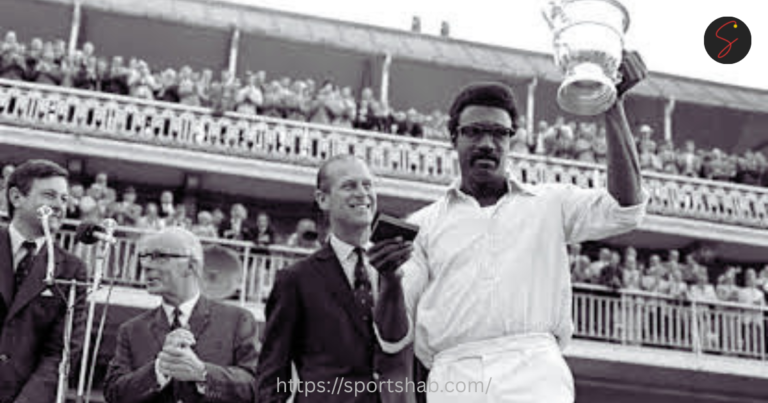
West Indies dominated the opening era with fast bowling, powerful batting, and brilliant fielding in the outfield. Clive Lloyd led them to back-to-back titles in 1975 and 1979, setting a fearsome standard.
India’s shock win in 1983 changed the sport across South Asia, because few experts gave Kapil Dev’s team any chance. That upset proved that any brave team could win on the biggest day.
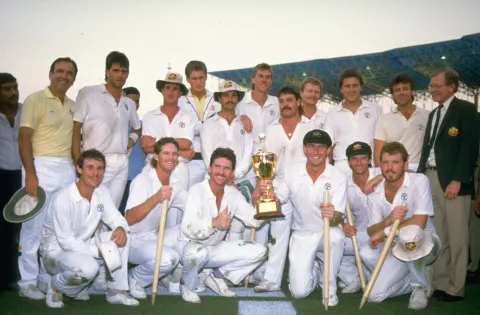
The tournament left England in 1987, when India and Pakistan hosted together and matches moved to 50 overs. Australia won that final, starting a rivalry era that still shapes the modern game today.
Colour clothing, white balls, and floodlights arrived in 1992, giving the event a fresh and modern look. Pakistan won under Imran Khan, and the tournament finally felt like a true global festival.
ICC Cricket World Cup History Winners Table 1975-2023
Use this table to check every final at a glance, from the first champions to the latest winners. Each year links to our full year guide, so you can read the story behind any result.
Hosts changed over time, moving from England to Asia, Australasia, Africa, and the Caribbean. Winners also changed, yet Australia leads the list with six titles across five decades.
| Year | Host | Winner | Runner-up | Final Score/Result |
|---|---|---|---|---|
| 1975 | England | West Indies | Australia | West Indies 291/8 beat Australia 274 by 17 runs |
| 1979 | England | West Indies | England | West Indies 286/9 beat England 194 by 92 runs |
| 1983 | England | India | West Indies | India 183 beat West Indies 140 by 43 runs |
| 1987 | India & Pakistan | Australia | England | Australia 253/5 beat England 246/8 by 7 runs |
| 1992 | Australia & New Zealand | Pakistan | England | Pakistan 249/6 beat England 227 by 22 runs |
| 1996 | India, Pakistan & Sri Lanka | Sri Lanka | Australia | Sri Lanka 245/3 beat Australia 241/7 by 7 wickets |
| 1999 | England | Australia | Pakistan | Australia 133/2 beat Pakistan 132 by 8 wickets |
| 2003 | South Africa, Kenya & Zimbabwe | Australia | India | Australia 359/2 beat India 234 by 125 runs |
| 2007 | West Indies | Australia | Sri Lanka | Australia 281/4 beat Sri Lanka 215/8 by 53 runs (D/L) |
| 2011 | India, Sri Lanka & Bangladesh | India | Sri Lanka | India 277/4 beat Sri Lanka 274/6 by 6 wickets |
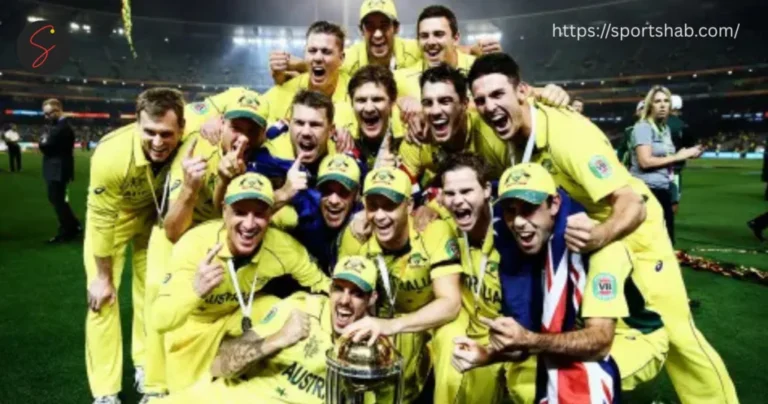
| 2015 | Australia & New Zealand | Australia | New Zealand | Australia 186/3 beat New Zealand 183 by 7 wickets |
| 2019 | England & Wales | England | New Zealand | England 241 tied New Zealand 241/8; England won on boundary count after Super Over tie |
| 2023 | India | Australia | India | Australia 241/4 beat India 240 by 6 wickets |
Australia stands out with titles in 1987, 1999, 2003, 2007, 2015, and 2023, including three in a row. India and West Indies follow with two titles each, while Pakistan, Sri Lanka, and England hold one each.
Records and Stats in ICC Cricket World Cup History
Records show how the game has changed, from low scores in 1975 to huge totals in 2023. Batters now score faster, bowlers still win finals, and fielding has become a genuine match-winning skill.
The table below lists the most useful career records, so you can settle debates quickly. Each mark comes from official tournament records up to the end of the 2023 edition.
| Record | Holder | Figure / Detail |
|---|---|---|
| Most titles (team) | Australia | 6 titles |
| Most runs (career) | Sachin Tendulkar (India) | 2,278 runs, 1992-2011 |
| Most wickets (career) | Glenn McGrath (Australia) | 71 wickets, 1996-2007 |
| Highest individual score | Martin Guptill (New Zealand) | 237* vs West Indies, 2015 |
| Most centuries (career) | Rohit Sharma (India) | 7 centuries, 2015-2023 |
| Most runs in one tournament | Virat Kohli (India) | 765 runs, 2023 |
| Most wickets in one tournament | Mitchell Starc (Australia) | 27 wickets, 2019 |
| Highest team total | South Africa | 428/5 vs Sri Lanka, 2023 |
| Best bowling in a match | Glenn McGrath (Australia) | 7/15 vs Namibia, 2003 |
| Most finals played (team) | Australia | 8 finals, 6 wins |
Sachin Tendulkar leads the career runs list by a wide margin, with 2,278 runs in six tournaments. His 673 runs in 2003 stood as a single-tournament record until Virat Kohli passed it in 2023.
Glenn McGrath leads the bowling list with 71 wickets, and his 7 for 15 against Namibia remains the best spell. Mitchell Starc follows with 65 wickets, while Muttiah Muralitharan took 68 for Sri Lanka.
Australia also leads the team marks, with 78 wins from 105 matches and a win rate above 74 percent. That consistency explains why Australia has reached eight finals and won six of them.
Most Memorable Finals in ICC Cricket World Cup History
ICC Cricket World Cup History is full of finals that fans still replay, argue about, and pass on to younger supporters. Five finals stand out above the rest for drama, surprise, and lasting impact on the sport.
1983: India’s Shock Win at Lord’s
India entered the 1983 final as heavy underdogs against the mighty West Indies, who had won both previous titles. Kapil Dev’s team defended only 183 runs, yet belief and sharp fielding turned the match around.
Mohinder Amarnath took three wickets and scored useful runs, earning player of the match honours at Lord’s. The win sparked a cricket boom in India, and it changed how the sport was watched there forever.
1992: Pakistan’s Cornered Tigers
Pakistan reached the 1992 final after a slow start, when Imran Khan urged his team to fight like cornered tigers. Wasim Akram then produced a famous spell that swung the final against England in Melbourne.
Akram dismissed Allan Lamb and Chris Lewis with two brilliant deliveries in quick succession at a crucial moment. Pakistan won by 22 runs, and the victory remains one of the most inspiring comebacks in tournament history.
2011: India’s Home Triumph
India hosted the 2011 final in Mumbai, carrying the hopes of more than a billion supporters into the match. Sri Lanka set 275, and the chase tested India’s nerve until MS Dhoni finished it in style.
Dhoni hit the winning six over long-on, and the Wankhede Stadium erupted as India won by six wickets. The triumph ended a 28-year wait, and it gave Sachin Tendulkar a fitting World Cup farewell.
2019: The Tied Final at Lord’s
England and New Zealand finished level on 241 runs in the 2019 final, producing the most dramatic finish ever seen. A Super Over also ended tied, so England won on the boundary count rule then in force.
Ben Stokes scored 84 not out, while Jofra Archer bowled the Super Over under huge pressure at Lord’s. New Zealand earned enormous respect, yet England lifted their first title in unforgettable and controversial circumstances.
2023: Australia’s Calm Chase in Ahmedabad
India entered the 2023 final unbeaten after ten straight wins, with a huge home crowd behind them in Ahmedabad. Australia stayed calm, bowled India out for 240, and then chased the target with six wickets to spare.
Travis Head scored 137 from 120 balls, turning the match with fearless stroke play against India’s strong attack. Pat Cummins led Australia superbly, and the win gave Australia a record sixth World Cup title.
Why the World Cup Matters
ICC Cricket World Cup History matters because it decides the best one-day team in the world every four years. No other one-day event carries the same weight, history, or global attention for players and fans.
The tournament creates national heroes, from Kapil Dev in 1983 to MS Dhoni in 2011 and Travis Head in 2023. Young fans copy their shots, their celebrations, and their calm under pressure for years afterwards.
It also spreads the game to new countries, because smaller teams gain a global stage every four years. Ireland, Kenya, Afghanistan, and the Netherlands have all used the event to grow cricket at home.
ICC Cricket World Cup History also shapes how teams prepare, select players, and plan for the next cycle. Coaches study past winners, learn from final defeats, and build squads that can handle knockout pressure.
For supporters, the World Cup creates shared memories that last far beyond a single match or series. Families remember where they watched a final, and friends still debate the greatest innings decades later.
The event also drives money, media coverage, and sponsorship into cricket, which helps fund the sport worldwide. Strong World Cups therefore support grassroots cricket, women’s cricket, and emerging teams in many nations.
What’s Next for the World Cup
ICC Cricket World Cup History will continue in 2027, when South Africa, Zimbabwe, and Namibia host the next edition. The tournament will expand to 14 teams, giving more nations a chance to reach the main stage.
The 2027 format will use two groups of seven teams, followed by a Super Six stage and knockouts. That structure rewards consistent group play, yet still leaves room for a surprise team to reach the semi-finals.
Australia will defend the title, while India, England, and Pakistan will aim to stop them in African conditions. South Africa will also hope that home support finally helps them reach a first World Cup final.
New stars will emerge in 2027, just as Virat Kohli, Babar Azam, and Rachin Ravindra did in earlier editions. Watch for young batters, fast bowlers, and all-rounders who can change a match in a single spell.
Co-hosting worked well in 2015, when Australia and New Zealand staged a fast, attacking tournament together. The 2027 hosts can learn from that event, especially on scheduling, travel, and fan-friendly venues.
ICC Cricket World Cup History began with a small event in 1975, yet it now fills huge stadiums and global screens. The next chapter starts in 2027, and the story will keep growing with every new champion.
ICC Cricket World Cup History in this guide was checked against the official ICC tournament pages and the Wikipedia list of finals. Those sources confirm the winners, hosts, scores, and records used in the tables above.
Frequently Asked Questions
Who has won the most titles in ICC Cricket World Cup History?
Australia has won the most titles, with six wins in 1987, 1999, 2003, 2007, 2015, and 2023. Australia has also reached eight finals, which is more than any other team in the tournament.
Which final was the closest in World Cup history?
The 2019 final was the closest, because England and New Zealand both scored 241 runs at Lord’s. England won after a tied Super Over, using the boundary count rule that applied at that time.
Who has scored the most runs in World Cup history?
Sachin Tendulkar has scored the most runs, with 2,278 runs in 45 matches from 1992 to 2011. Virat Kohli ranks second with 1,795 runs, followed by Ricky Ponting with 1,743 runs.
When and where is the next Cricket World Cup?
The next Cricket World Cup is in 2027, hosted by South Africa, Zimbabwe, and Namibia. It will feature 14 teams, with two groups of seven followed by a Super Six stage.